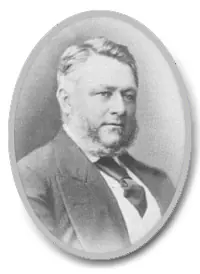
Henry Ayers was born in Portsea on 1 May 1821, the son of a dockyard worker, and was educated at the Beneficial Society's School at 42 Kent Street. He emigrated to South Australia in 1840, became its Premier, and in 1873 the explorer William Gosse named Ayers Rock, now Uluru, after him.
Who was Henry Ayers?
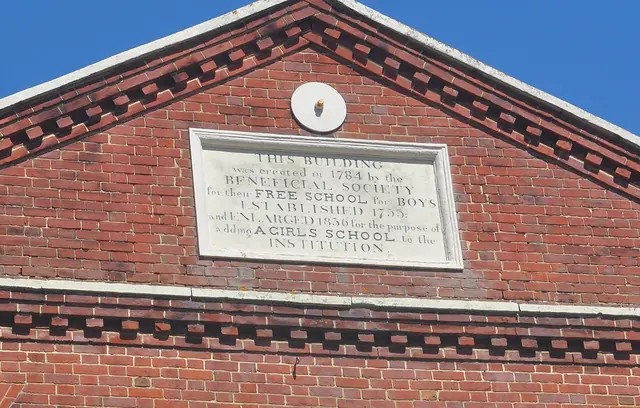
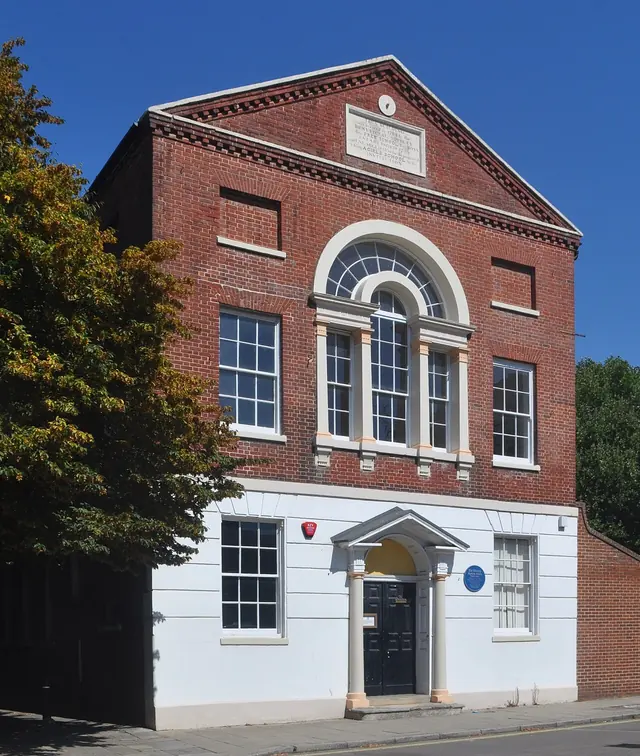
Henry Ayers was born at Portsea on 1 May 1821. His father, William Ayers, worked in Portsmouth dockyard. His mother was Elizabeth, whose maiden name was Breakes. The Australian Dictionary of Biography records that he was educated at the Beneficial Society's School in Portsea. That is this building.
In 1832, at about eleven years old, he went to work in the office of a Portsea lawyer, S. W. Blyth.
How did a Portsea boy end up in Australia?
In 1840 he sailed for South Australia with his new wife, Anne. He travelled as a carpenter, which earned the couple a free passage, although he had gone into a law office eight years before.
In Adelaide he worked as a law clerk until 1845, when he was made secretary of the South Australian Mining Association, the company behind the Burra copper mine. By 1850 he was its managing director.
What did he become?
On 9 March 1857 he entered South Australia's first Legislative Council under responsible government. He was the youngest member elected. Between 1863 and 1873 he led the government of South Australia again and again. The blue plaque on our front wall puts it simply: Premier of South Australia five times.
He was knighted in 1872, after the telegraph line across the continent was finished.
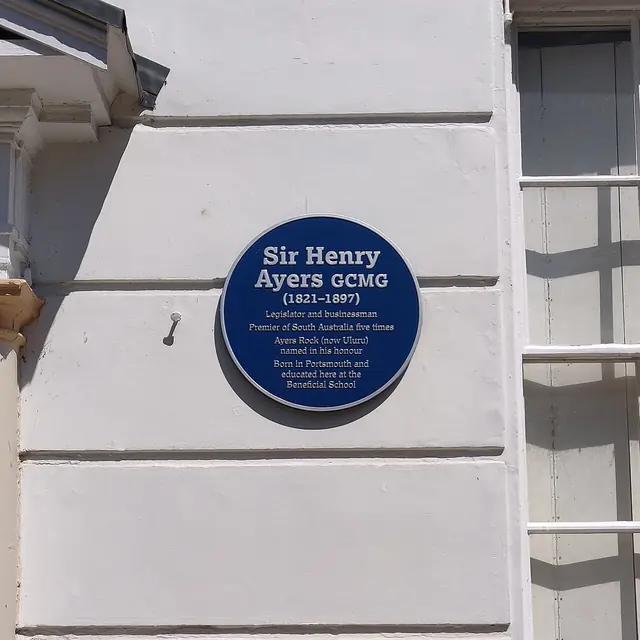
Why is Ayers Rock called Ayers Rock?
In 1873 the explorer William Gosse reached the great red rock in the centre of Australia and named it after Ayers, then Chief Secretary of South Australia. The rock is now known as Uluru.
So one of the most famous landmarks on earth carried, for generations, the name of a boy who went to school on Kent Street.
When did he die?
Sir Henry Ayers died in Adelaide on 11 June 1897, aged 76.
The school that taught him was founded by a friendly society. Read about the Portsea Beneficial Society, or the full history of 42 Kent Street.